

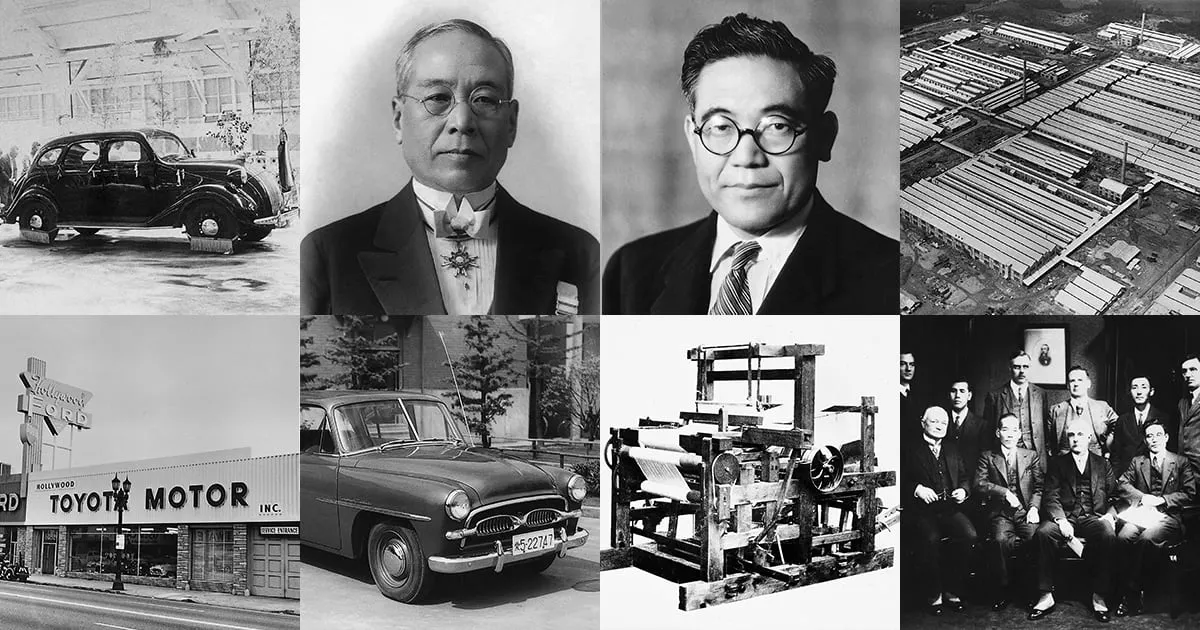

If someone had predicted decades ago that Toyota would become the world’s largest car manufacturer, many would have laughed at you. Yet today, the company is “not only responsible for the world’s best-selling car of all time—the Corolla—but sells more than ten million cars annually, surpassing American behemoth General Motors and Germany’s Volkswagen in sales,” as Efosa Ojomo writes in his article for the Christensen Institute. To understand how Toyota went from obscurity to the world's largest automaker, we need to look back at its origins.
The early days of non-consumption
Founded in 1937, Toyota emerged during a time when Japan had “more than 400,000 horse- and ox-drawn vehicles” on its streets, with roughly 80% of the roads unpaved. This situation created significant non-consumption—many people who would have benefitted from car ownership couldn’t afford it. At that point, Japan's GDP per capita was about US$2,300, a fraction of that in America, even during the Great Depression.
Instead of exploiting low wages for exports, Kiichiro Toyoda, Toyota’s founder, had a different vision. He declared that Toyota cars should be developed as “economical vehicles that can withstand poor roads and [be] more practical for the people of East Asia.” This approach focused on serving the vast non-consumption in Japan and East Asia, laying the foundation for Toyota’s future success.
Investing in people
To stimulate the local auto market, Toyota made substantial investments across the auto value chain. Ojomo notes that they “invested heavily in the Chubu Nippon Drivers’ School in Nagoya,” allocating up to 40% of the company’s capital. This school became a model for other driving schools in Japan, promoting motorisation and ultimately boosting Toyota’s sales. As demand grew, the school expanded in 1958 to train new employees on the Toyota sales method.
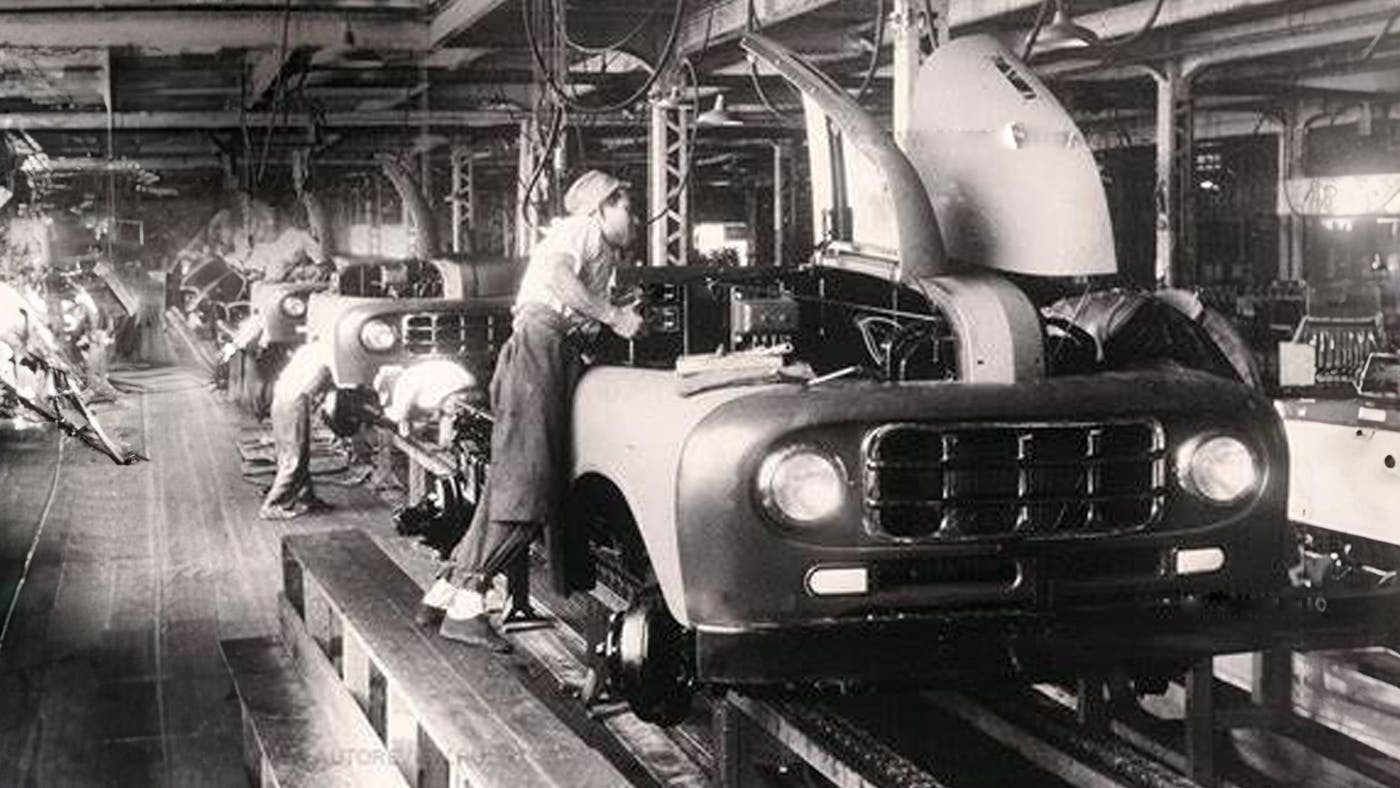
Targeting non-consumption also resulted in significant job creation. As Toyota built new plants and sold more vehicles, the demand for workers skyrocketed. In Toyota City, where the company established its roots, the ratio of job openings per applicant jumped from 2.7 in 1962 to 7.1 in 1970. By 1980, the number of Toyota dealerships in Japan had increased tenfold to over 300. Today, Toyota employs more than 340,000 people globally, with over 70,000 based in Japan.
Shaping a nation
By addressing non-consumption, Toyota helped Japan create a relevant regulatory framework. As Efosa Ojomo points out, there arose “a pressing need for coherent government policies on road traffic, vehicle and driver licencing, and the policing of city streets,” as noted in Jeffrey Alexander’s book 'Japan’s Motorcycle Wars'. This demonstrates how market-creating innovations can precede regulations. Without innovations that boost tax revenues, governments struggle to enforce policies.
Toyota’s impact extended beyond cars. The company spurred growth in logistics, transportation, and steel manufacturing, fostering a culture of entrepreneurship that positioned Japan as an innovation powerhouse. Thanks to Kiichiro Toyoda’s strategy focused on non-consumption, Toyota is now the tenth largest company in the world by revenue.
________
As you reflect on Toyota’s remarkable journey and its commitment to innovation and accessibility, why not explore the possibilities of owning your own Toyota? At easyauto123, we offer a fantastic range of Toyota vehicles tailored to meet your needs, whether you're looking for reliability, fuel efficiency, or cutting-edge technology—everything from the iconic Corolla to the versatile LandCruiser. Start your search today
________
For more in-depth insights on Toyota's rise to power, check out Efosa Ojomo's original article on the Christensen Institute’s blog: 'From Nonconsumption to Market Creation: How Toyota Became an Economic Powerhouse for Japan'.