

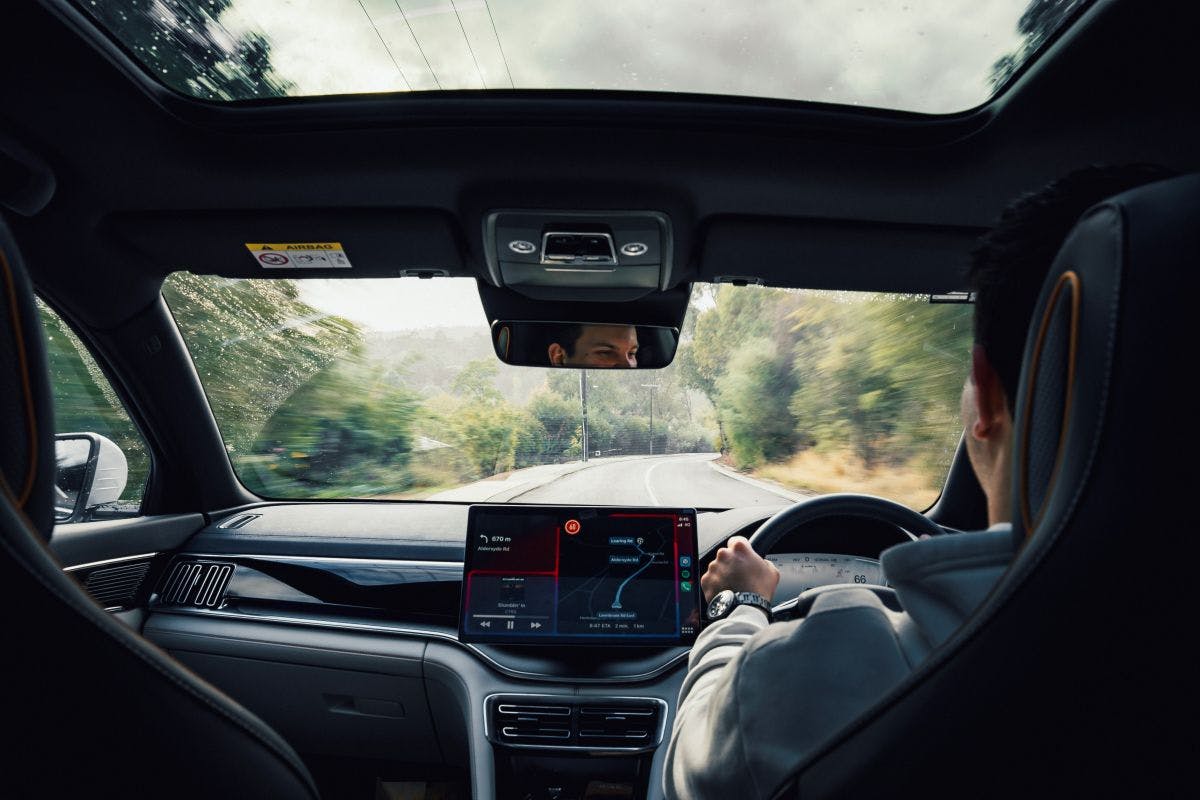

If you’ve spotted more sleek, silent cars on your morning commute, you aren't imagining things. Australian drivers are embracing electric vehicles (EVs) in record numbers. In fact, this January, sales for pre-owned EVs rose by 20%, month on month, with hybrids following close behind.
Lower fuel costs, or none for 100% battery EVs; a quieter, greener drive, and the cool factor of cutting-edge technology are driving this transition.
Savvy motorists seeking the benefits of an electric or hybrid vehicle, who don’t want to pay the new-car premium, may wonder if a used EV is worth it in 2026? The answer is definitely, yes! Here are five reasons why.
Battery life is better than we thought
Battery life is a major consideration when buying a pre-owned EV or hybrid, so make sure you choose a reputable dealer. At easyauto123, our EVs undergo stringent inspections beyond standard used car checks. Every electric vehicle’s battery condition is reviewed as part of this process. Our Hendra superstore is even trialling a dedicated battery testing feature to give customers more peace of mind.
More widely, research shows that EV batteries actually last longer than we thought. A study by Stanford University has shown that in real life, battery performance is about 38 percent better than under lab conditions. This could translate to an EV driving 300,000 more kilometres before needing battery replacement, according to researchers.
Another study found that most EV batteries maintained good capacity (more than 80%) even after 200,000+ km of travel. *
EV isn't charging complicated
If you can remember to charge your phone or laptop before bed, you’ve already mastered EV ownership. The “complexity” of EV charging is unfounded because we’ve been routinely charging our laptops, smartphones, tablets etc. since high school for the day ahead.
Most EV owners simply plug in at home using a standard power point or a dedicated wallbox. For those longer weekend adventures, roadside fast chargers are a great option, particularly on longer drives.
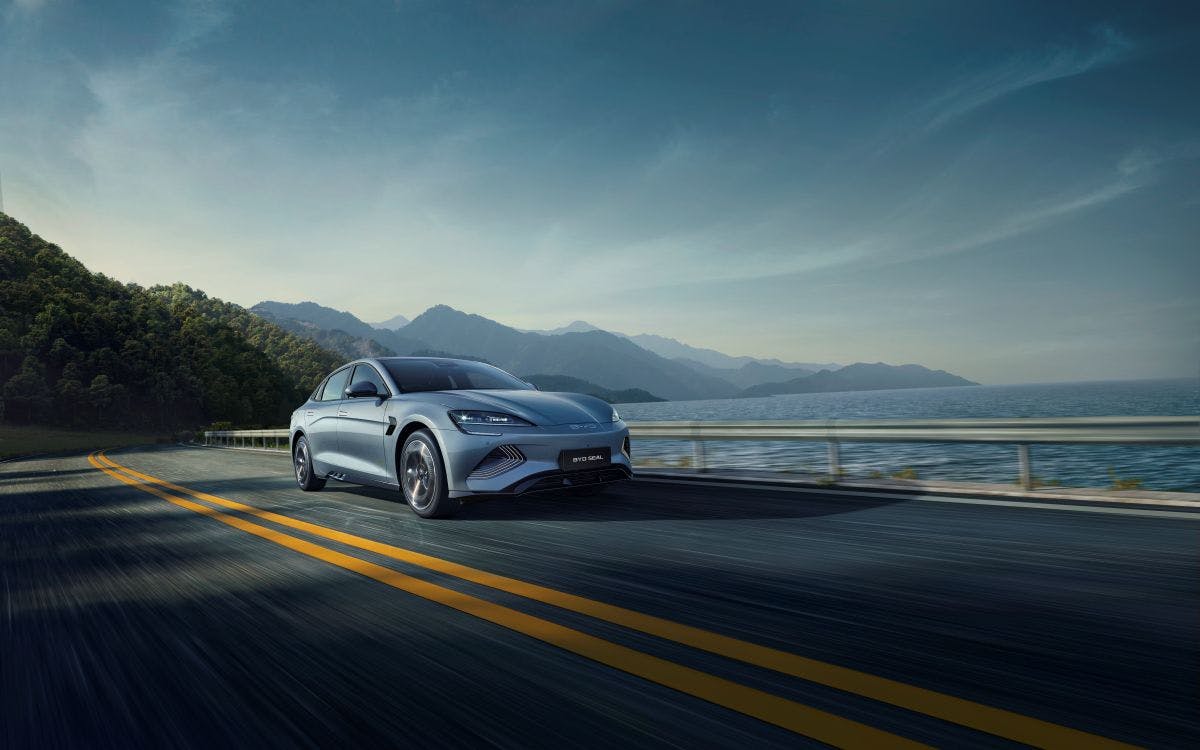
What is the 80% rule for EVs?
To keep the battery in peak condition, EV owners are advised to set the charge limit to 80% and avoid allowing the battery to drop below 20%. This range reduces stress on the lithium-ion battery. It may sound like a chore, but it’s actually automated. Most modern EVs let you set a charging limit, which is useful for overnight charging.
Debunking range anxiety
Inevitably, conversations about EVs circle around to range and that’s perfectly understandable if you’re considering a battery EV. While every model is different, the EVs on the Australian market have an average range of 400-500 kilometres on a full charge. Considering the average Aussie commute is less than 40km a day, that’s plenty of “juice” for a week of driving.
Road trips and country getaways, however, will take a little planning. Australia’s network of fast chargers is over 1,200 and growing thanks to additional government funding. Many tourist spots from country pubs and wineries to beaches, now host public fast-charging stations.
Are EVs as safe as petrol or diesel?
Safety is never something to compromise on. The good news is that EVs are consistently among the safest vehicles on the road. The Australian New Car Assessment Program (ANCAP) has awarded the majority of EVs a 5-star safety rating. In fact, electric models have actually set new records for the safest vehicles tested.
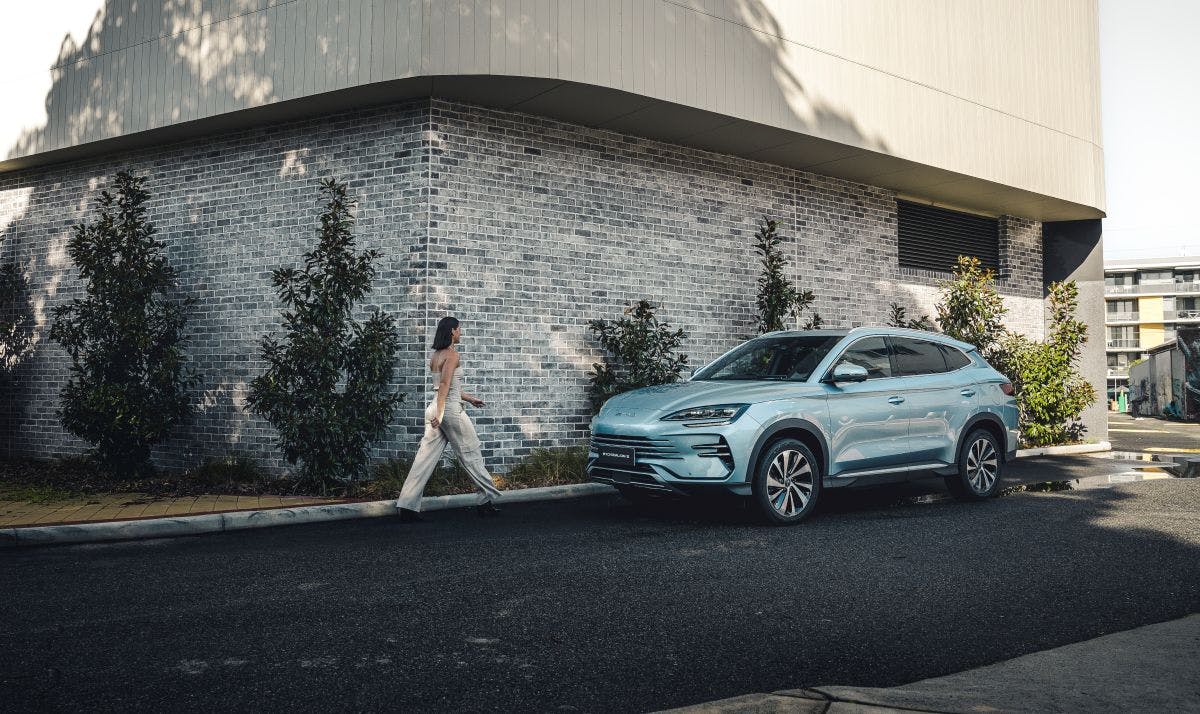
Ready to find your electric dream car? The world of EVs is bigger (and more affordable) than ever. Perhaps you're eyeing a fan-favourite Tesla Model 3, a versatile BYD Atto 3, or a reliable Toyota hybrid.
Our easyEV hub makes it easy to browse a massive range of trusted brands like Hyundai, Kia, MG, and Polestar online. You could also drop into easyauto123 where our friendly team will answer your questions, book a test drive, and help you join the electric revolution without the new-car price tag.
Notes
* https://theconversation.com/electric-vehicle-batteries-can-last-almost-40-longer-in-the-real-world-than-in-lab-tests-248557